

Portoferraio
Weekly market: every Friday.
Important tourist resorts: Biodola, Scaglieri, Le Ghiaie, Acquaviva, Viticcio, Enfola, Ottone, Magazzini, Bagnaia.
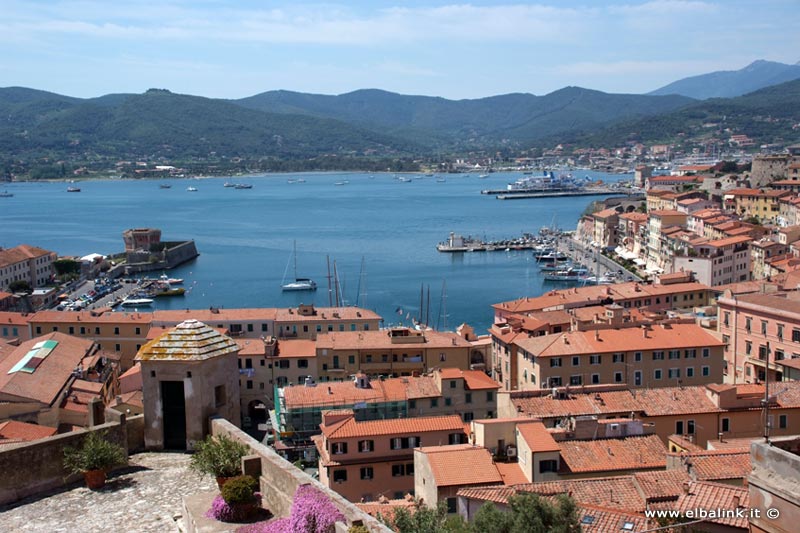
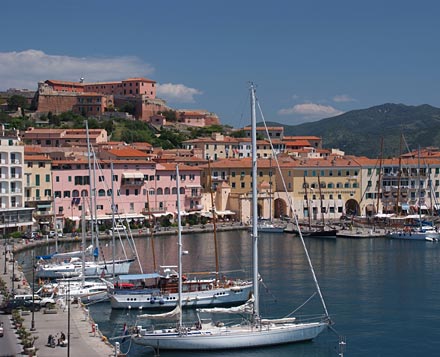
Portoferraio is the main town on the Island of Elba and measures about 50.35 square kilometers. It has the highest number of inhabitants and is the second largest commune after Marciana.
Portoferraio was founded by wish of Cosimo I, the Grand Duke of Tuscany, of the Medici family, who gave the town its first name "Cosmopoli" in 1548. In the beginning it was mainly a military garrison built to defend the coasts of the Grand Duchy and the Island of Elba.
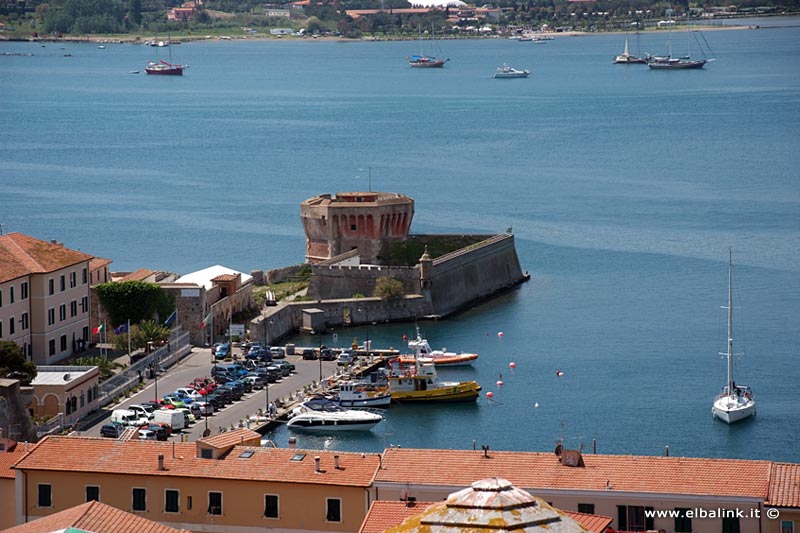
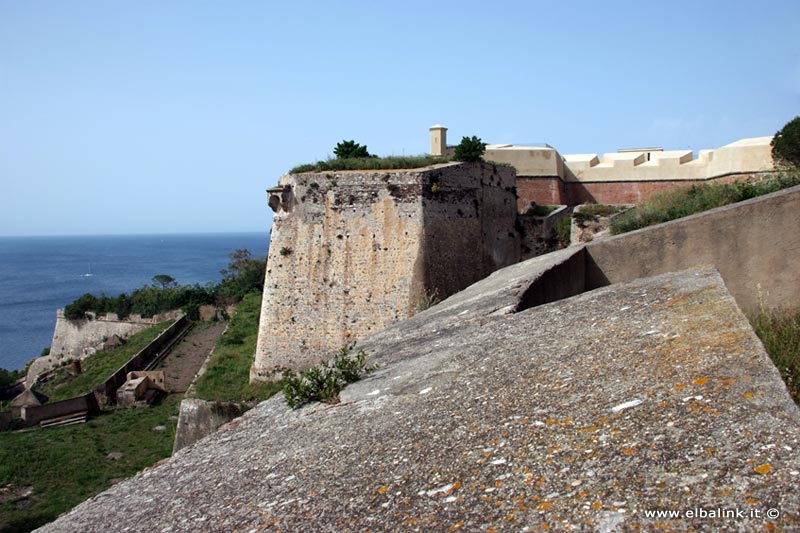
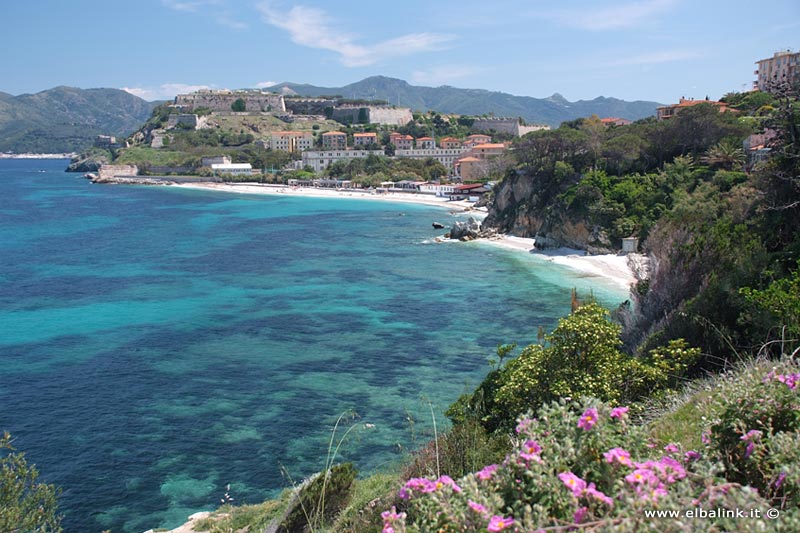
In the early days, the town only consisted of several fortresses (that are still standing today for those who wish to visit them), for example: Forte Stella, Forte Falcone and Linguella ( Forte Inglese was built at a later date in order to defend the town in view of the pending siege on behalf of the British fleet) and the magnificent town walls around the old part of Portoferraio; the remains are still in good condition and are now lived in.
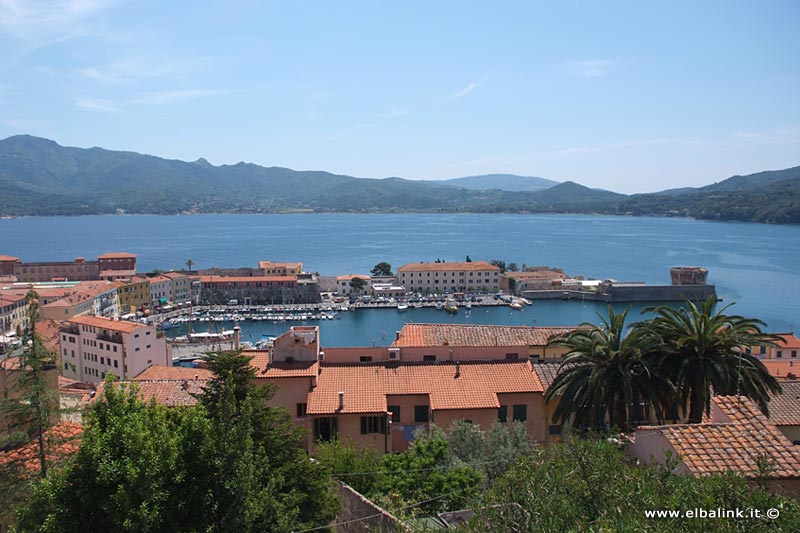
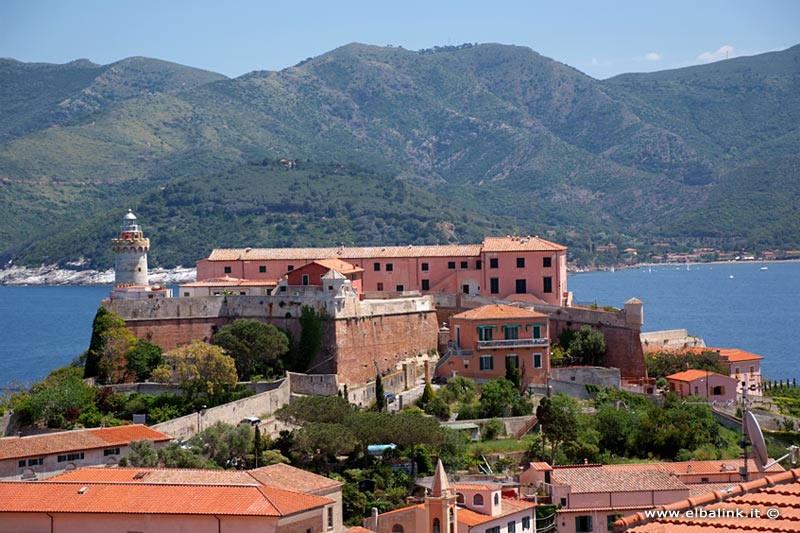
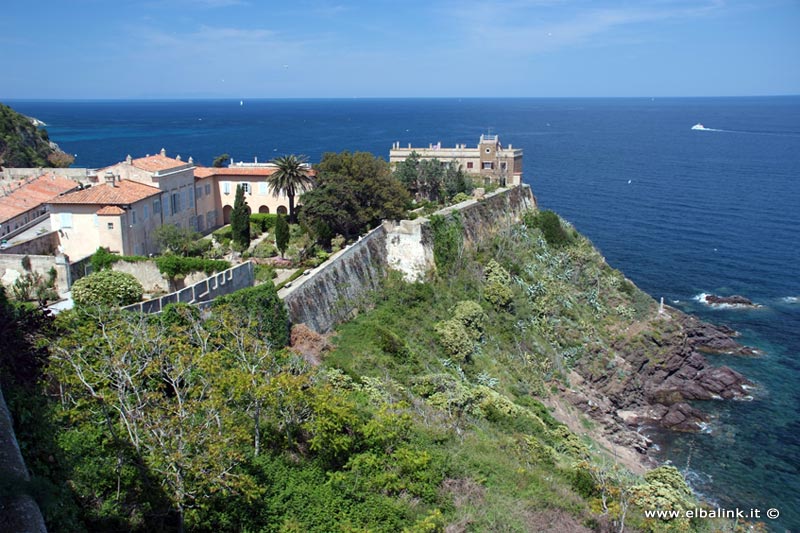
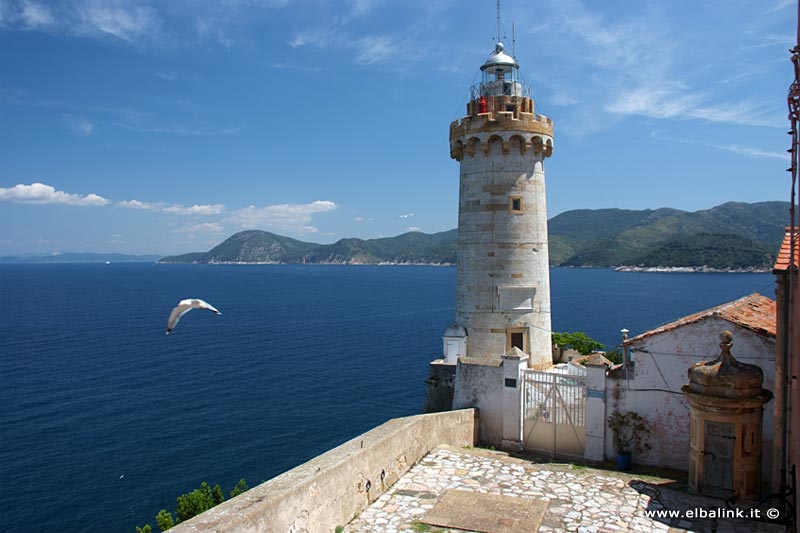
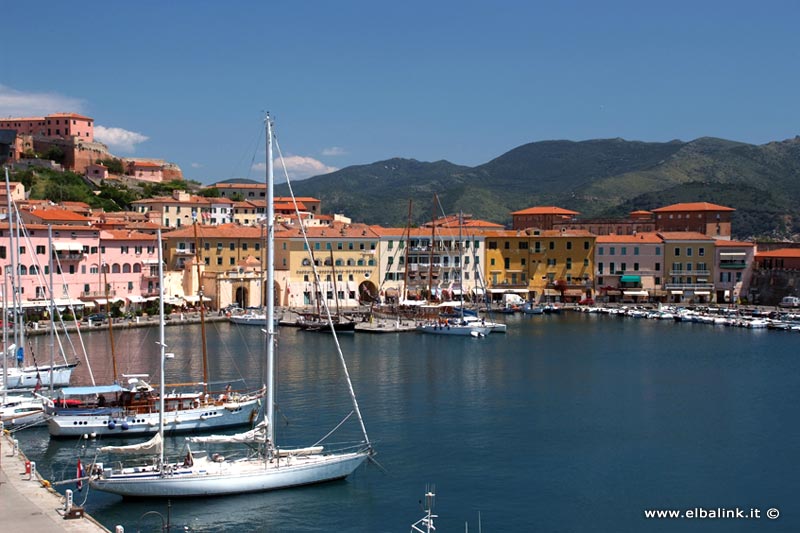
The Grand Duchy of Tuscany continued to rule the town until the 18th century, when the island's strategic position caused it to become the epicenter of a war between France, Austria and England. In 1814, the island was entrusted to Napoleon Bonaparte as the seat of his first exile. Napoleon chose Portoferraio as the chief town of the island, and today you can still see the two villas where he lived.
Although the French emperor's reign was very short (1814-1815), both Portoferraio itself and the entire island flourished and gained importance as a result of the infrastructures and land improvements that were made thanks to the development of the iron mines in Rio Marina. In those years, Portoferraio became the port for shipping iron from Elba's mines to the mainland - which explains the name Portoferraio.
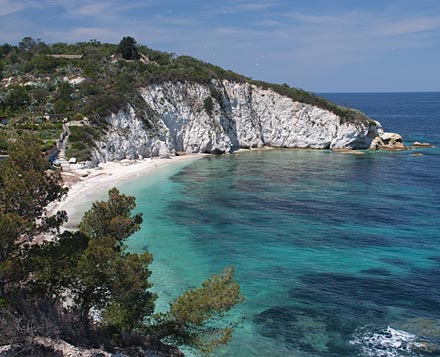
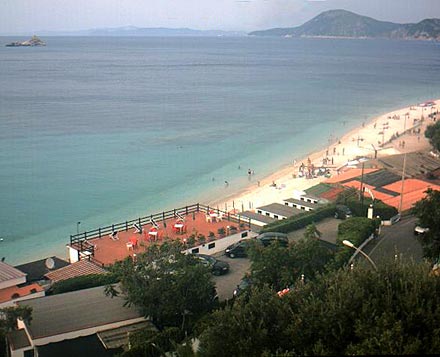
Later, Portoferraio went back to being under the rule of the Tuscan Grand Duchy of Tuscany until the unification of Italy in 1860. Thanks to its mines, both the town of Portoferraio and the entire Island experienced a period of stable economy until the early 1970s, at which point the steel industry began to falter. Within a short period of time, the mines were dismantled (the last mine closed down in 1981), yet Portoferraio managed to hold its ground in the tourism industry thanks to its magnificent beaches, today still the most important source of income.